
Kenya’s Healthcare Digital Transformation: A New Era of Smart Medical Systems
Learn how Healthcare Management System Kenya helps clinics and hospitals manage patients, billing, pharmacy, and healthcare data efficiently.
Healthcare Management System Kenya
Kenya’s Healthcare Digital Transformation: A New Era of Smart Medical Systems
Healthcare facilities in Kenya are increasingly facing pressure to deliver faster, more efficient, and more accurate medical services. As patient numbers grow and healthcare expectations rise, hospitals and clinics can no longer rely on manual paperwork, fragmented systems, or outdated administrative processes. Digital transformation is becoming essential for improving efficiency, reducing errors, and enhancing the overall quality of care.
A healthcare management system provides a centralized digital platform that allows healthcare facilities to manage patient records, billing, pharmacy operations, appointments, and reporting within a single system. Instead of relying on multiple disconnected tools, hospitals can automate key workflows and ensure that healthcare professionals access accurate information in real time.
Modern hospitals in Kenya are now adopting cloud-based healthcare software to streamline operations, improve patient experiences, and enhance decision-making through data insights. Platforms such as Tiwi POS are helping healthcare institutions transition to smarter and more efficient management systems.
1. What Is a Healthcare Management System?
Healthcare today is no longer managed using paper files and handwritten notes alone. Hospitals and clinics are increasingly turning to digital systems that help organize patient records, appointments, billing, pharmacy operations, and many other healthcare processes. A Healthcare Management System (HMS) is one of the most important technologies helping medical institutions modernize how they operate.
Think of a healthcare management system as the central nervous system of a hospital. Just as the human body depends on the brain to coordinate different organs, hospitals rely on software platforms to connect departments like reception, laboratory, pharmacy, billing, and administration. When all these departments share information through one system, healthcare providers can deliver services faster and with fewer errors.
In Kenya, the shift toward digital healthcare systems is accelerating as hospitals seek better ways to manage patient information, reduce waiting times, and improve overall service delivery. Instead of searching through stacks of files, healthcare workers can instantly access patient records, test results, prescriptions, and billing details with just a few clicks.
1.1 Definition of a Healthcare Management System
A Healthcare Management System is a software platform designed to help healthcare institutions manage their daily operations digitally. It integrates administrative, clinical, and financial functions into one centralized system.
At its core, the system stores and organizes information such as:
-
Patient records
-
Doctor schedules
-
Laboratory test results
-
Pharmacy prescriptions
-
Billing and payments
-
Hospital reports and analytics
For example, when a patient arrives at a clinic, the receptionist can quickly register them in the system. The doctor can then view the patient’s medical history, the laboratory can upload test results directly into the system, and the pharmacy can access prescriptions immediately. All these processes happen within one digital platform.
This reduces paperwork, prevents data loss, and ensures that healthcare providers always have access to accurate patient information.
1.2 Difference Between Hospital Management System and HMIS
Many people confuse the terms Hospital Management System (HMS) and Health Management Information System (HMIS), but they serve slightly different purposes.
| Feature | Hospital Management System (HMS) | Health Management Information System (HMIS) |
|---|---|---|
| Primary Focus | Managing hospital operations | Managing healthcare data across health systems |
| Used By | Hospitals and clinics | Governments, health ministries, and health organizations |
| Main Functions | Patient management, billing, pharmacy, appointments | Health statistics, disease tracking, public health monitoring |
| Scope | Facility-level management | National or regional health data systems |
A Hospital Management System focuses mainly on day-to-day hospital operations, while an HMIS is designed to collect and analyze healthcare data at a broader level, often for public health planning.
For example, a hospital system may track patient visits and prescriptions, while an HMIS might track disease trends across counties or the entire country.
1.3 Core Components of a Healthcare Management System
A well-designed healthcare management system usually contains several modules that work together to manage hospital operations.
Here are some of the most important components:
| Module | Purpose |
|---|---|
| Patient Management | Stores patient records and visit history |
| Appointment Scheduling | Manages doctor availability and patient bookings |
| Billing and Payments | Handles invoices, payments, and insurance claims |
| Pharmacy Management | Tracks medication inventory and prescriptions |
| Laboratory Management | Records test requests and results |
| Reporting and Analytics | Generates operational and financial reports |
These modules allow healthcare institutions to run their operations smoothly while keeping all information connected.
For example, when a doctor orders a laboratory test, the request is automatically sent to the lab module. Once the test results are ready, they are uploaded directly into the patient's record, where the doctor can view them instantly.
1.4 Why Healthcare Facilities Need Digital Systems
Healthcare facilities deal with enormous amounts of information every day. From patient records and prescriptions to laboratory reports and billing statements, managing this data manually can quickly become overwhelming.
Without digital systems, hospitals often face several challenges:
-
Misplaced patient files
-
Long patient waiting times
-
Billing errors
-
Poor coordination between departments
-
Difficulty generating reports
Digital healthcare systems solve these problems by organizing all information in one place.
For example, when a patient visits a hospital for the second time, the doctor can immediately view their previous diagnosis, medications, and test results. This improves treatment decisions and ensures continuity of care.
Digital systems also help hospital administrators monitor operations more effectively, allowing them to track patient numbers, revenue, and departmental performance.
1.5 The Role of Software in Modern Healthcare Administration
Modern healthcare is becoming increasingly data-driven. Hospitals must manage complex operations while maintaining high standards of patient care and safety. Software systems make this possible by automating routine tasks and providing real-time insights into hospital performance.
Healthcare management software supports administrators by helping them:
-
Track hospital finances
-
Monitor drug inventory levels
-
Manage staff schedules
-
Analyze patient service trends
-
Generate regulatory reports
Instead of spending hours compiling reports manually, administrators can generate detailed insights instantly through the system dashboard.
Doctors and nurses also benefit greatly from healthcare software. With access to digital patient records, they can quickly review medical history, allergies, medications, and previous treatments before making clinical decisions.
Ultimately, healthcare management systems help hospitals deliver faster, safer, and more efficient medical services, making them an essential part of modern healthcare infrastructure.
2. The Growth of Digital Healthcare Systems
2.0 The State of Healthcare Digitalization in Kenya

Kenya’s healthcare sector has been undergoing a steady digital transformation over the past decade. Hospitals, clinics, and healthcare institutions are increasingly recognizing that technology is not just a convenience—it is a necessity for delivering efficient and reliable medical services. As patient numbers grow and healthcare demands become more complex, traditional paper-based systems are no longer sufficient to manage hospital operations effectively.
Digital healthcare systems are helping healthcare providers streamline patient registration, manage medical records, improve diagnosis processes, and simplify administrative tasks. Instead of relying on bulky paper files or scattered spreadsheets, healthcare professionals can access patient data instantly through centralized systems. This shift is significantly improving the speed and accuracy of healthcare delivery across many medical facilities.
In both public and private healthcare institutions, technology is gradually becoming the backbone of hospital management. From electronic health records and telemedicine platforms to digital pharmacy systems and automated billing tools, Kenya’s healthcare landscape is moving toward a more connected and efficient future.
2.1 Growth of Digital Health Systems in Kenya
The adoption of digital health systems in Kenya has grown rapidly as hospitals and clinics seek ways to improve efficiency and patient care. Several factors have contributed to this growth, including increased internet connectivity, mobile technology adoption, and the rising demand for better healthcare services.
Private hospitals in major cities such as Nairobi, Mombasa, and Kisumu have been among the early adopters of healthcare management systems. These institutions often invest in modern software platforms to manage patient records, laboratory data, pharmacy operations, and financial reporting. By digitizing these processes, hospitals can significantly reduce paperwork and improve operational efficiency.
At the same time, smaller clinics and health centers are also beginning to adopt digital systems. Many healthcare providers now understand that even small facilities benefit greatly from digital record management and automated workflows. As healthcare technology becomes more affordable and accessible, digital health solutions are expected to expand to even more facilities across the country.
2.2 Government eHealth Policies Supporting Digital Healthcare
The Kenyan government has recognized the importance of digital healthcare and has introduced several policies aimed at supporting the modernization of healthcare systems. One of the key initiatives is the development of national eHealth strategies designed to promote the use of technology in healthcare management and service delivery.
These policies focus on improving healthcare data management, enabling better communication between healthcare institutions, and supporting the use of digital platforms to improve patient outcomes. By encouraging hospitals and clinics to adopt electronic health systems, the government aims to create a more efficient and coordinated healthcare ecosystem.
Government-led digital health programs also support the integration of healthcare information across different levels of the healthcare system. This means that health data collected at clinics, hospitals, and laboratories can contribute to broader healthcare planning and policy development.
Such initiatives are helping create a strong foundation for the continued growth of healthcare technology across Kenya.
2.3 Adoption of Electronic Health Records in Hospitals
One of the most important advancements in healthcare digitalization is the introduction of Electronic Health Records (EHR). These systems replace traditional paper-based medical files with secure digital records that store patient information electronically.
Electronic health records typically include:
-
Patient personal information
-
Medical history
-
Diagnosis records
-
Laboratory test results
-
Prescriptions and medications
-
Treatment plans
With EHR systems, healthcare providers can quickly access patient information during consultations, making it easier to diagnose conditions and provide accurate treatment. Instead of searching through physical files, doctors can retrieve complete patient histories in seconds.
Electronic records also improve collaboration between healthcare departments. For example, laboratory technicians can upload test results directly into the system, where doctors can review them immediately. Similarly, pharmacies can access digital prescriptions without relying on handwritten notes.
This level of coordination helps hospitals reduce errors, improve treatment accuracy, and enhance patient safety.
2.4 Challenges Facing Healthcare Digitization
While digital healthcare systems offer many benefits, the adoption process is not without challenges. Many healthcare facilities in Kenya still face obstacles that slow down the transition to fully digital operations.
Some of the most common challenges include:
| Challenge | Explanation |
|---|---|
| Limited Infrastructure | Some facilities lack reliable internet connectivity or adequate computer equipment |
| High Implementation Costs | Initial investment in software, hardware, and training can be expensive |
| Staff Training Needs | Healthcare workers may require time to learn how to use new digital systems |
| Resistance to Change | Some staff members prefer familiar manual processes |
| Data Security Concerns | Protecting sensitive patient information is a major priority |
These challenges highlight the importance of choosing healthcare management systems that are easy to use, secure, and scalable for different types of healthcare facilities.
Despite these barriers, the overall trend toward digital healthcare continues to grow as institutions recognize the long-term benefits of automation and data management.
2.5 Opportunities for Healthcare Technology Innovation
The continued growth of digital healthcare presents enormous opportunities for innovation in Kenya’s healthcare sector. Technology is opening new possibilities for improving healthcare accessibility, efficiency, and quality.
Several emerging technologies are shaping the future of healthcare:
| Innovation Area | Impact on Healthcare |
|---|---|
| Telemedicine | Enables remote consultations between doctors and patients |
| Mobile Health Applications | Allows patients to access healthcare services through smartphones |
| Artificial Intelligence | Supports disease diagnosis and predictive healthcare analytics |
| Cloud-Based Healthcare Systems | Allows hospitals to manage data securely online |
| Data Analytics | Helps healthcare providers identify trends and improve treatment strategies |
As these technologies continue to develop, healthcare providers will be able to offer faster, more accurate, and more personalized medical services.
The future of healthcare in Kenya will likely be defined by how effectively institutions adopt and integrate digital systems into their daily operations. Hospitals that embrace healthcare technology today will be better positioned to deliver efficient and high-quality medical services in the years ahead.
3. Key Features of a Modern Healthcare Management System
A modern healthcare management system is designed to simplify the complex operations of hospitals and clinics by bringing multiple healthcare processes into one centralized platform. Instead of handling patient records, billing, pharmacy operations, and laboratory reports separately, healthcare software integrates all these functions into a single system that can be accessed by authorized healthcare professionals.
This integration improves coordination between hospital departments and ensures that important information flows smoothly throughout the healthcare facility. Doctors, nurses, pharmacists, laboratory technicians, and administrators can all access the information they need without delays, helping them provide faster and more accurate patient care.
Modern healthcare systems also improve operational transparency. Administrators can monitor hospital activities in real time, track financial transactions, analyze patient trends, and generate detailed reports that help improve healthcare services.
3.1 Patient Registration and Electronic Medical Records
One of the most important functions of a healthcare management system is patient registration and electronic medical record management. This feature allows hospitals to create digital patient profiles that store all relevant medical information in one secure location.
When a patient visits a healthcare facility for the first time, the system records details such as:
-
Patient name and contact information
-
Age and gender
-
Medical history
-
Previous diagnoses
-
Allergies and medications
-
Laboratory test results
-
Treatment records
Once registered, the patient’s information remains stored in the system and can be accessed whenever the patient returns for future visits.
| Benefit | Description |
|---|---|
| Faster patient registration | Reduces waiting time at reception |
| Easy access to medical history | Doctors can view patient history instantly |
| Improved treatment accuracy | Doctors make better decisions with complete data |
| Secure medical records | Patient information is stored safely in digital format |
Electronic medical records also improve collaboration between healthcare providers since patient data can be shared securely between departments.
3.2 Appointment Scheduling and Queue Management
Managing patient appointments efficiently is essential for hospitals and clinics that handle large numbers of patients daily. A healthcare management system simplifies this process through automated appointment scheduling and queue management tools.
Patients can be scheduled based on doctor availability, clinic hours, or specific medical services. The system can also send reminders to patients about upcoming appointments, reducing missed visits.
| Feature | Benefit |
|---|---|
| Online appointment booking | Patients can schedule visits in advance |
| Queue management | Reduces overcrowding in waiting areas |
| Appointment reminders | Helps reduce missed appointments |
| Doctor schedule management | Improves time management for healthcare staff |
With digital appointment systems, hospitals can serve patients more efficiently while minimizing long waiting times.
3.3 Hospital Billing and Payment Processing
Healthcare facilities must manage large volumes of financial transactions every day, including consultation fees, laboratory charges, medication costs, and insurance claims. A healthcare management system simplifies financial operations by automating the billing and payment process.
The billing module automatically generates invoices based on the services provided to each patient. Payments can be recorded immediately, allowing administrators to track hospital revenue in real time.
| Billing Feature | Function |
|---|---|
| Automated invoicing | Generates patient bills automatically |
| Multiple payment methods | Supports cash, mobile money, and card payments |
| Insurance processing | Handles insurance claims efficiently |
| Financial reports | Tracks hospital income and expenses |
Automated billing systems reduce errors and ensure financial transparency within healthcare institutions.
3.4 Pharmacy and Drug Inventory Management
Hospitals and clinics must maintain accurate records of medication stock to ensure that essential drugs are always available. Healthcare management systems include pharmacy management modules that track drug inventory in real time.
Pharmacy staff can monitor medication stock levels, manage prescriptions, and track drug expiry dates.
| Pharmacy Function | Benefit |
|---|---|
| Drug inventory tracking | Prevents medication shortages |
| Prescription management | Ensures accurate dispensing of drugs |
| Expiry monitoring | Reduces the risk of dispensing expired drugs |
| Automatic stock alerts | Notifies staff when drugs need restocking |
This system helps hospitals maintain a well-organized pharmacy while ensuring patient safety.
3.5 Laboratory Information Management
Laboratory departments play a crucial role in diagnosing diseases and supporting medical treatment. Healthcare management systems include laboratory information modules that manage test requests, sample tracking, and diagnostic results.
When a doctor requests a test, the laboratory team can access the request directly through the system. Once the test is completed, results are uploaded digitally and become instantly available to the doctor.
| Laboratory Feature | Benefit |
|---|---|
| Test request management | Doctors send lab requests digitally |
| Sample tracking | Laboratories monitor samples efficiently |
| Digital test results | Results are stored securely in the patient record |
| Faster diagnosis | Doctors receive results immediately |
This improves the speed and accuracy of medical diagnoses while reducing paperwork.
3.6 Reporting and Healthcare Analytics
Healthcare institutions generate large amounts of data every day. From patient visits and financial transactions to medication usage and laboratory tests, this data can provide valuable insights that help hospitals improve their services.
Healthcare management systems include powerful reporting and analytics tools that convert hospital data into useful information.
| Report Type | Purpose |
|---|---|
| Patient reports | Track patient visits and treatment history |
| Financial reports | Monitor revenue and hospital expenses |
| Pharmacy reports | Track drug usage and stock levels |
| Operational reports | Analyze hospital performance |
With these insights, hospital administrators can identify trends, improve resource allocation, and make better strategic decisions.
Healthcare analytics ultimately helps healthcare providers deliver better patient care, improved efficiency, and smarter hospital management.
4. Benefits of Healthcare Management Systems for Hospitals

Healthcare facilities handle a wide range of responsibilities every day, from patient consultations and laboratory testing to pharmacy management and billing. When these activities rely heavily on manual processes, hospitals often struggle with delays, data errors, and inefficiencies that affect both staff and patients. A healthcare management system solves these challenges by digitizing hospital operations and creating a more organized working environment.
By integrating multiple hospital functions into a single platform, healthcare management systems allow departments to share information quickly and accurately. Doctors can access patient records instantly, pharmacists can track medication inventory, and administrators can monitor financial performance in real time. This level of coordination helps hospitals operate more efficiently while delivering better healthcare services.
The benefits of adopting a healthcare management system extend beyond administrative convenience. These systems directly impact patient care, staff productivity, and the overall efficiency of healthcare institutions. Hospitals that adopt digital management systems are better equipped to handle increasing patient volumes while maintaining high standards of care.
4.1 Faster Patient Service Delivery
One of the most noticeable benefits of a healthcare management system is the ability to serve patients more quickly and efficiently. In many hospitals that rely on manual systems, patients often spend a significant amount of time waiting for registration, file retrieval, billing, and consultation.
Digital systems eliminate these delays by automating key processes such as patient registration, appointment scheduling, and medical record retrieval. When a patient arrives at the hospital, the receptionist can quickly locate their digital record instead of searching through physical files.
| Traditional Process | Digital System Advantage |
|---|---|
| Manual patient registration | Automated patient registration |
| Paper-based medical files | Instant digital patient records |
| Long waiting times | Faster service delivery |
| Separate departmental processes | Integrated hospital workflows |
By reducing administrative delays, hospitals can treat more patients in less time while maintaining a smooth and organized workflow.
4.2 Improved Data Accuracy and Record Management
Accurate patient data is essential for effective healthcare delivery. Paper-based systems are prone to errors such as misplaced files, incomplete records, and illegible handwriting. These issues can lead to treatment mistakes or delays in patient care.
Healthcare management systems store all patient information digitally, ensuring that records remain accurate, organized, and easily accessible.
Key advantages of digital record management include:
-
Secure storage of patient medical histories
-
Easy retrieval of previous diagnoses and treatments
-
Reduced risk of lost or damaged patient files
-
Improved coordination between hospital departments
| Record Management Feature | Benefit |
|---|---|
| Digital patient records | Eliminates lost or damaged files |
| Centralized database | Easy access to patient information |
| Automatic data updates | Keeps records accurate and current |
| Secure data storage | Protects sensitive medical information |
This level of accuracy helps healthcare providers make better medical decisions and improves the overall quality of patient care.
4.3 Better Financial Management
Hospitals manage a large number of financial transactions every day, including consultation fees, laboratory charges, medication sales, and insurance claims. Without a structured system, tracking these transactions can become complicated and prone to errors.
Healthcare management systems provide automated billing and financial tracking tools that simplify hospital financial management. Every service provided to a patient is recorded in the system, allowing invoices to be generated automatically.
| Financial Feature | Purpose |
|---|---|
| Automated billing | Generates accurate patient invoices |
| Payment tracking | Records all transactions in real time |
| Financial reporting | Provides insights into hospital revenue |
| Insurance claim management | Simplifies processing of insurance payments |
With accurate financial records, hospital administrators can monitor income, control expenses, and ensure transparency in financial operations.
4.4 Improved Staff Productivity
Healthcare professionals often spend a significant portion of their time on administrative tasks such as filing paperwork, searching for patient records, or preparing reports. These tasks can reduce the amount of time available for patient care.
Healthcare management systems automate many of these administrative processes, allowing staff to focus on their primary responsibilities.
| Staff Task | Digital System Improvement |
|---|---|
| Searching for patient files | Instant access to digital records |
| Manual appointment booking | Automated scheduling systems |
| Preparing financial reports | Automatic report generation |
| Tracking medication stock | Real-time inventory management |
When hospital staff spend less time on manual administrative tasks, they can dedicate more time to patient care and medical services. This not only improves efficiency but also reduces workplace stress for healthcare professionals.
4.5 Enhanced Patient Experience
At the heart of every healthcare facility is the goal of providing excellent patient care. Healthcare management systems play a crucial role in improving the overall patient experience.
Digital systems make healthcare services faster, more organized, and more responsive to patient needs. Patients benefit from shorter waiting times, accurate medical records, and smoother interactions with healthcare providers.
Some ways healthcare systems enhance patient experience include:
-
Faster patient registration and service delivery
-
Improved communication between hospital departments
-
Accurate and easily accessible medical records
-
Clear and transparent billing processes
| Patient Experience Factor | Digital System Impact |
|---|---|
| Waiting time | Reduced significantly |
| Access to medical records | Faster and more accurate |
| Appointment scheduling | More convenient and organized |
| Service coordination | Better communication between departments |
When healthcare facilities operate efficiently, patients feel more confident in the services they receive. A well-managed healthcare system creates an environment where patients receive timely care and healthcare professionals can deliver services with greater confidence.
5. Healthcare Facilities That Benefit from Management Systems

Healthcare management systems are no longer limited to large hospitals. Today, healthcare facilities of all sizes are adopting digital systems to improve efficiency, streamline patient services, and manage medical data more effectively. Whether it is a large private hospital, a small clinic, or a specialized diagnostic laboratory, digital healthcare systems help medical institutions operate more smoothly.
Healthcare facilities handle a wide range of activities every day, including patient consultations, laboratory testing, medication dispensing, billing, and administrative management. When these processes are handled manually, they can quickly become time-consuming and difficult to manage. Digital healthcare systems simplify these tasks by integrating them into a centralized platform that improves coordination across departments.
In Kenya, healthcare facilities are increasingly recognizing the value of digital management systems. By adopting healthcare software, institutions can reduce paperwork, improve patient care, and enhance operational efficiency. Below are some of the healthcare facilities that benefit the most from healthcare management systems.
5.1 Private Hospitals
Private hospitals typically serve a large number of patients and provide a wide range of medical services, including consultations, diagnostic testing, pharmacy services, and specialized treatments. Managing all these services requires an organized system that can coordinate multiple departments efficiently.
Healthcare management systems allow private hospitals to integrate all their operations into a single platform. From patient registration to billing and pharmacy management, every aspect of hospital operations can be managed digitally.
| Hospital Operation | How Digital Systems Help |
|---|---|
| Patient registration | Faster and more organized patient intake |
| Medical record management | Instant access to patient histories |
| Billing and payments | Accurate and automated invoicing |
| Pharmacy operations | Real-time medication inventory tracking |
| Reporting and analytics | Detailed hospital performance insights |
With these systems in place, private hospitals can improve patient satisfaction while maintaining high standards of healthcare service delivery.
5.2 Small and Medium Clinics
Small and medium clinics often operate with limited staff and resources. Because of this, healthcare providers in these facilities must manage multiple responsibilities simultaneously, from patient consultations to administrative tasks.
Healthcare management systems help clinics operate more efficiently by automating many routine processes. Instead of maintaining paper records or manually tracking appointments, clinics can use digital systems to manage patient data, schedule consultations, and process payments.
Some of the advantages for clinics include:
-
Faster patient registration
-
Better organization of patient records
-
Simplified billing and payment tracking
-
Easy appointment scheduling
-
Reduced administrative workload
Even a small clinic can greatly improve its efficiency and patient service quality by adopting a digital healthcare management system.
5.3 Diagnostic Laboratories
Diagnostic laboratories play a critical role in healthcare by providing essential medical tests that support accurate diagnosis and treatment. Managing laboratory operations involves tracking test requests, managing samples, recording results, and communicating findings to doctors.
Healthcare management systems with laboratory modules simplify these processes by automating laboratory workflows.
| Laboratory Task | Digital System Advantage |
|---|---|
| Test request management | Doctors send digital test requests |
| Sample tracking | Laboratories track samples efficiently |
| Test result management | Results stored in digital patient records |
| Report generation | Faster delivery of laboratory reports |
By using digital systems, diagnostic laboratories can reduce manual errors, improve accuracy, and deliver test results more quickly.
5.4 Pharmacies and Medical Stores
Pharmacies and medical stores handle a large volume of medications, making inventory management a critical aspect of their operations. Without proper systems, pharmacies may struggle to track stock levels, monitor expiry dates, and manage prescriptions accurately.
Healthcare management systems include pharmacy modules that allow pharmacists to manage drug inventory in real time.
| Pharmacy Function | Digital Benefit |
|---|---|
| Drug inventory management | Tracks medication stock levels |
| Prescription management | Ensures accurate dispensing |
| Expiry monitoring | Prevents use of expired drugs |
| Sales and billing | Records pharmacy transactions automatically |
With digital pharmacy management systems, healthcare facilities can ensure that medications are dispensed safely and efficiently.
5.5 Multi-Branch Healthcare Institutions
Some healthcare providers operate multiple clinics, hospitals, or pharmacies across different locations. Managing operations across multiple branches can be extremely challenging without a centralized system.
Healthcare management systems allow multi-branch institutions to manage all their facilities from a single platform. Administrators can monitor patient data, financial reports, and operational performance across all locations.
| Multi-Branch Feature | Benefit |
|---|---|
| Centralized patient database | Access patient records across locations |
| Unified financial reporting | Monitor revenue from multiple branches |
| Shared inventory management | Track medication stock across facilities |
| Remote system access | Manage operations from anywhere |
This centralized approach improves coordination between branches and allows healthcare organizations to expand their services without losing operational control.
Healthcare management systems are therefore essential tools for healthcare institutions of all sizes, helping them improve efficiency, reduce administrative workload, and deliver better healthcare services to patients.
6. Essential Modules in a Healthcare Management System
A healthcare management system is not just a single tool but a combination of multiple interconnected modules that work together to support the daily operations of a healthcare facility. Each module focuses on a specific area of hospital management while sharing data with other modules to ensure smooth and coordinated workflows.
These modules allow hospitals, clinics, laboratories, and pharmacies to operate efficiently while reducing manual administrative work. Instead of managing separate systems for patient records, billing, pharmacy operations, and reporting, healthcare providers can use one integrated platform that connects all departments.
When all modules are integrated into a single healthcare management system, information flows seamlessly across departments. For example, when a doctor prescribes medication, the pharmacy module automatically receives the prescription. Similarly, when laboratory results are uploaded, they become immediately available in the patient’s medical record.
Below are some of the most important modules that make up a modern healthcare management system.
6.1 Patient Management Module
The Patient Management Module is one of the core components of a healthcare management system. It is responsible for storing and managing all patient-related information in a centralized database.
When a patient visits a healthcare facility, the system captures important details such as personal information, medical history, diagnoses, treatments, and prescriptions. This information remains securely stored and can be accessed whenever the patient returns for future consultations.
| Patient Management Feature | Purpose |
|---|---|
| Patient registration | Records patient personal information |
| Medical history storage | Stores previous diagnoses and treatments |
| Visit tracking | Tracks all patient visits to the facility |
| Digital patient records | Ensures secure and organized data storage |
This module allows doctors and healthcare staff to access accurate patient information quickly, improving both diagnosis and treatment decisions.
6.2 Pharmacy Management Module
Pharmacies play a critical role in healthcare facilities by ensuring patients receive the correct medications. The Pharmacy Management Module helps healthcare institutions manage medication inventory, prescriptions, and drug dispensing efficiently.
With this module, pharmacists can track medication stock levels in real time, monitor expiry dates, and manage prescriptions issued by doctors.
| Pharmacy Feature | Benefit |
|---|---|
| Drug inventory tracking | Prevents medication shortages |
| Prescription processing | Ensures correct medication dispensing |
| Expiry date monitoring | Avoids dispensing expired drugs |
| Automatic stock alerts | Notifies staff when stock is low |
This module helps maintain accurate medication records and ensures patients receive safe and effective treatment.
6.3 Laboratory Management Module
Laboratory tests are essential for diagnosing diseases and guiding treatment decisions. The Laboratory Management Module helps healthcare facilities manage laboratory operations efficiently.
Doctors can request diagnostic tests through the system, and laboratory staff can track samples, conduct tests, and upload results directly into the system.
| Laboratory Function | Advantage |
|---|---|
| Digital test requests | Doctors send lab requests electronically |
| Sample tracking | Monitors laboratory samples |
| Test result management | Stores diagnostic results digitally |
| Laboratory reporting | Generates lab reports quickly |
Once results are uploaded, doctors can review them immediately, allowing faster diagnosis and treatment.
6.4 Billing and Accounting Module
Healthcare facilities handle numerous financial transactions daily. The Billing and Accounting Module helps hospitals manage their finances by automating billing processes and tracking payments.
This module records all services provided to patients, including consultations, laboratory tests, medications, and medical procedures. Based on these services, the system generates invoices automatically.
| Billing Feature | Purpose |
|---|---|
| Automated billing | Generates accurate patient invoices |
| Payment recording | Tracks payments in real time |
| Insurance processing | Handles insurance claims |
| Financial reporting | Provides insights into hospital revenue |
By automating financial operations, healthcare institutions can maintain accurate financial records and reduce billing errors.
6.5 Appointment and Scheduling Module
Managing patient appointments is essential for ensuring smooth hospital operations. The Appointment and Scheduling Module helps healthcare facilities organize doctor availability and patient visits effectively.
Patients can be scheduled based on doctor specialization, availability, or specific healthcare services.
| Scheduling Feature | Benefit |
|---|---|
| Appointment booking | Allows patients to schedule consultations |
| Doctor schedule management | Tracks doctor availability |
| Queue management | Reduces waiting times |
| Appointment reminders | Notifies patients about upcoming visits |
This module improves hospital efficiency by ensuring that doctors and patients are properly scheduled throughout the day.
6.6 Reporting and Data Analytics Module
Healthcare institutions generate a large amount of operational and financial data. The Reporting and Data Analytics Module converts this data into meaningful insights that help administrators make informed decisions.
Hospital managers can generate reports on patient visits, revenue, pharmacy stock levels, and operational performance.
| Report Type | Purpose |
|---|---|
| Patient reports | Tracks patient visits and treatments |
| Financial reports | Monitors hospital income and expenses |
| Pharmacy reports | Tracks medication usage |
| Operational reports | Evaluates hospital performance |
With these insights, healthcare administrators can identify trends, improve hospital operations, and make strategic decisions that enhance healthcare service delivery.
7. Cloud-Based Healthcare Management Systems
Healthcare institutions are increasingly adopting cloud-based healthcare management systems to improve flexibility, efficiency, and accessibility. Unlike traditional hospital software that requires installation on local computers and servers, cloud healthcare systems operate through the internet. This allows healthcare providers to access the system from anywhere using secure login credentials.
Cloud technology has become especially important for modern hospitals and clinics because healthcare services are dynamic and require constant access to patient information. With cloud-based systems, doctors, administrators, and healthcare staff can retrieve data in real time without being limited to a single physical location.
For healthcare facilities in Kenya, cloud-based healthcare platforms provide an affordable and scalable solution for managing hospital operations. These systems eliminate the need for expensive IT infrastructure while still providing powerful tools for patient management, billing, pharmacy operations, and data analytics.
7.1 What Is a Cloud Healthcare System?
A cloud healthcare system is a digital healthcare management platform that stores hospital data on remote servers instead of local computers. These servers are hosted on secure cloud infrastructure and accessed through the internet.
In traditional healthcare systems, hospitals must install software on their own computers and maintain internal servers to store patient records. This approach can be expensive and difficult to maintain, especially for small clinics.
Cloud systems simplify this process by hosting the software online. Healthcare providers simply log in through a web browser or application to access the system.
| System Type | How It Works |
|---|---|
| Traditional Healthcare Software | Installed on hospital computers and local servers |
| Cloud Healthcare System | Hosted online and accessed through the internet |
With cloud-based systems, hospitals can focus on providing healthcare services instead of worrying about software installation, maintenance, or hardware management.
7.2 Advantages of Cloud Healthcare Platforms
Cloud healthcare systems provide several advantages that make them ideal for modern healthcare institutions. These platforms are designed to improve operational efficiency while reducing the technical complexity of managing hospital software.
Some of the key benefits include:
| Advantage | Explanation |
|---|---|
| Lower infrastructure costs | Hospitals do not need to purchase expensive servers |
| Automatic software updates | System updates are handled automatically |
| Scalability | Hospitals can easily expand system capacity |
| Real-time data access | Healthcare providers can access information instantly |
| Reduced IT maintenance | No need for in-house server management |
Because cloud systems are hosted online, healthcare providers always use the latest version of the software without needing to install updates manually.
7.3 Remote Access for Healthcare Providers
One of the most powerful features of cloud healthcare systems is remote accessibility. Healthcare professionals can securely access hospital data from different locations, allowing them to manage patient care even when they are not physically present in the hospital.
For example, a doctor can review patient records, laboratory results, or treatment plans using a laptop, tablet, or smartphone. This flexibility allows healthcare professionals to make faster decisions and respond quickly to patient needs.
Remote access is particularly useful for healthcare organizations that operate multiple clinics or hospitals. Administrators can monitor operations across different facilities without needing to travel between locations.
| Remote Access Feature | Benefit |
|---|---|
| Mobile access | Doctors can view records on smartphones or tablets |
| Remote administration | Managers can monitor hospital operations from anywhere |
| Real-time collaboration | Healthcare teams share information instantly |
| Faster decision making | Doctors access patient information quickly |
This level of flexibility makes cloud systems ideal for modern healthcare environments.
7.4 Secure Data Storage and Backup
Healthcare data is highly sensitive and must be protected carefully. Cloud healthcare systems are designed with advanced security measures to ensure that patient information remains safe and confidential.
Most cloud healthcare platforms use multiple layers of security to protect data, including encryption, secure login authentication, and controlled user access.
| Security Feature | Purpose |
|---|---|
| Data encryption | Protects patient information from unauthorized access |
| Secure authentication | Ensures only authorized users access the system |
| Automatic data backups | Prevents loss of patient records |
| Disaster recovery systems | Restores data in case of system failure |
Automatic data backup is one of the most important advantages of cloud healthcare systems. Even if a hospital experiences technical problems, patient data remains safe because it is stored securely in the cloud.
7.5 Managing Multiple Branches with One System
Healthcare organizations that operate multiple clinics or hospitals often struggle to coordinate operations across different locations. Cloud-based healthcare management systems solve this problem by allowing all branches to operate under one centralized platform.
With a cloud system, administrators can manage patient records, financial reports, pharmacy inventory, and hospital operations across multiple branches from a single dashboard.
| Multi-Branch Feature | Benefit |
|---|---|
| Centralized database | Patient records accessible across all locations |
| Unified reporting | Consolidated financial and operational reports |
| Shared pharmacy inventory | Track medication stock across facilities |
| Remote system management | Administrators monitor all branches in real time |
This centralized management approach allows healthcare institutions to expand their services while maintaining consistent operational standards across all locations.
Cloud healthcare management systems are therefore becoming an essential technology for hospitals and clinics that want to improve efficiency, reduce costs, and deliver better healthcare services.
8. Security and Data Protection in Healthcare Systems

In modern healthcare environments, protecting patient data is one of the most critical responsibilities for hospitals and medical institutions. Healthcare facilities store highly sensitive information such as patient identities, medical histories, diagnostic reports, prescriptions, and billing details. If this data is not properly protected, it can lead to serious privacy violations and operational disruptions.
Healthcare management systems are designed with advanced security features that safeguard patient information while ensuring that authorized healthcare professionals can access the data they need. These systems use multiple layers of security technology to protect hospital data from unauthorized access, cyber threats, and accidental loss.
As healthcare systems in Kenya continue to transition from paper-based records to digital platforms, implementing strong security measures has become essential. Hospitals must ensure that patient information remains confidential, secure, and accessible only to authorized medical personnel.
8.1 Protecting Patient Medical Records
Patient medical records contain some of the most sensitive information within a healthcare facility. These records include personal details, medical diagnoses, treatment plans, laboratory results, and prescription information. Protecting this information is essential for maintaining patient privacy and ensuring trust between patients and healthcare providers.
Healthcare management systems store patient records in secure digital databases that are protected by multiple security protocols. Unlike paper files that can be misplaced or damaged, digital records are organized, encrypted, and monitored to ensure safe access.
| Patient Data Protection Measure | Purpose |
|---|---|
| Secure digital databases | Protects patient records from unauthorized access |
| Controlled system access | Limits who can view or edit medical data |
| Activity tracking | Records system activity for security monitoring |
| Secure data storage | Ensures patient information is safely stored |
By protecting patient records, healthcare institutions can maintain confidentiality while improving the reliability and accessibility of medical information.
8.2 Role-Based Access Control
Healthcare institutions involve many different professionals, including doctors, nurses, pharmacists, laboratory technicians, and administrative staff. Each of these roles requires access to different types of information within the healthcare management system.
Role-based access control ensures that each user can only access the parts of the system relevant to their responsibilities.
For example:
| User Role | System Access |
|---|---|
| Doctor | Patient medical records, diagnosis, prescriptions |
| Nurse | Patient care information and treatment updates |
| Pharmacist | Medication prescriptions and drug inventory |
| Laboratory Technician | Diagnostic test requests and results |
| Administrator | Financial reports and system management |
This structured access system prevents unauthorized users from accessing sensitive information and reduces the risk of accidental data modification.
8.3 Data Encryption and Secure Logins
Data encryption is a critical component of healthcare cybersecurity. Encryption converts patient information into secure code that can only be accessed by authorized users. This ensures that even if data is intercepted, it cannot be read without proper authorization.
Healthcare systems also use secure login systems that require authentication before granting access to hospital data.
| Security Feature | Function |
|---|---|
| Data encryption | Protects patient information during storage and transmission |
| Secure login authentication | Ensures only authorized users access the system |
| Password protection | Prevents unauthorized system entry |
| Session monitoring | Detects unusual system activity |
These security measures create a secure environment where healthcare professionals can safely access patient data while maintaining confidentiality.
8.4 Backup and Disaster Recovery Systems
Healthcare institutions cannot afford to lose patient data due to system failures, cyber attacks, or technical problems. Backup and disaster recovery systems ensure that all critical healthcare data remains protected even in unexpected situations.
Modern healthcare management systems automatically create backups of patient data and store them securely in the cloud. This ensures that data can be restored quickly if the primary system experiences any issues.
| Backup Feature | Benefit |
|---|---|
| Automatic data backups | Prevents loss of patient records |
| Cloud storage backup | Protects data from hardware failure |
| Disaster recovery systems | Allows rapid restoration of hospital systems |
| Data redundancy | Multiple copies of data stored securely |
With reliable backup systems in place, healthcare facilities can continue operating even during technical disruptions while ensuring that patient records remain safe and accessible.
9. How Healthcare Software Improves Patient Care

The primary goal of any healthcare facility is to provide high-quality patient care. While medical expertise plays a crucial role in diagnosis and treatment, efficient healthcare systems are equally important in ensuring that patients receive timely and accurate medical services. Healthcare management software helps hospitals and clinics deliver better care by organizing patient information, improving communication between departments, and reducing delays in service delivery.
Digital healthcare systems allow healthcare providers to access patient information instantly, manage treatment processes efficiently, and coordinate medical services across multiple departments. By replacing manual processes with automated systems, hospitals can focus more on patient care and less on administrative tasks.
In Kenya and around the world, healthcare software is becoming an essential tool for improving patient outcomes, reducing treatment delays, and enhancing the overall healthcare experience.
9.1 Faster Access to Medical Records
Access to accurate medical records is essential for effective patient care. When healthcare providers rely on paper-based files, retrieving patient records can take time and may lead to delays in diagnosis and treatment.
Healthcare management systems store patient records digitally, allowing doctors and nurses to access medical histories within seconds. This ensures that healthcare professionals have all the information they need when making medical decisions.
| Traditional Record System | Digital Healthcare System |
|---|---|
| Searching through paper files | Instant access to patient records |
| Risk of misplaced files | Secure digital storage |
| Limited record access | Authorized staff can access records quickly |
| Slow patient service | Faster consultations and treatment |
With quick access to patient records, doctors can review previous diagnoses, medications, allergies, and laboratory results before recommending treatment.
9.2 Improved Diagnosis and Treatment Planning
Healthcare software plays a significant role in improving diagnosis and treatment planning. By having access to comprehensive patient data, healthcare providers can analyze medical histories, laboratory results, and previous treatments to make more informed decisions.
When doctors have accurate and complete patient information at their fingertips, they can diagnose conditions more quickly and develop more effective treatment plans.
| System Feature | Impact on Healthcare |
|---|---|
| Digital patient history | Helps doctors understand patient conditions |
| Integrated laboratory results | Supports accurate diagnosis |
| Medication records | Prevents harmful drug interactions |
| Treatment tracking | Monitors patient recovery progress |
This integrated approach improves the accuracy of medical decisions and helps healthcare providers deliver better treatment outcomes.
9.3 Reduced Medical Errors
Medical errors can occur when patient information is incomplete, unclear, or misinterpreted. Paper-based systems are particularly vulnerable to errors caused by illegible handwriting, misplaced files, or outdated records.
Healthcare management systems reduce these risks by maintaining accurate and organized digital records.
Common medical errors that can be reduced through healthcare software include:
-
Prescription errors
-
Misinterpretation of patient records
-
Incorrect laboratory result reporting
-
Medication duplication
| Error Prevention Feature | Benefit |
|---|---|
| Electronic prescriptions | Prevents prescription misinterpretation |
| Accurate patient records | Reduces diagnosis errors |
| Integrated systems | Improves information sharing |
| Automated alerts | Warns doctors about potential risks |
By minimizing these errors, healthcare systems contribute to safer and more reliable medical services.
9.4 Better Coordination Between Departments
Hospitals involve many departments working together to provide patient care. These departments include reception, doctors, laboratories, pharmacies, billing offices, and administration. Without effective coordination, delays and communication gaps can occur.
Healthcare management systems connect all hospital departments within a single digital platform. This allows information to move seamlessly between departments.
For example:
| Hospital Department | System Coordination |
|---|---|
| Reception | Registers patients in the system |
| Doctors | Access patient records and request tests |
| Laboratory | Upload test results to the system |
| Pharmacy | Access prescriptions and dispense medication |
| Billing | Generate invoices for medical services |
This integrated workflow improves communication and ensures that patients receive coordinated medical care.
9.5 Improved Patient Communication
Effective communication between healthcare providers and patients is essential for building trust and ensuring successful treatment outcomes. Healthcare management systems improve patient communication by enabling healthcare providers to share important information quickly and clearly.
Many healthcare systems include communication tools that allow hospitals to send appointment reminders, follow-up instructions, and medical notifications to patients.
Examples of improved patient communication include:
-
Appointment reminders via SMS or email
-
Notifications about laboratory results
-
Follow-up care instructions
-
Medication reminders
| Communication Feature | Benefit |
|---|---|
| Appointment reminders | Reduces missed visits |
| Test result notifications | Keeps patients informed |
| Follow-up messages | Improves treatment adherence |
| Patient engagement tools | Strengthens patient-provider relationships |
These communication features help patients stay informed about their healthcare while strengthening the relationship between patients and healthcare providers.
10. Why Healthcare Providers Should Adopt Modern Healthcare Software
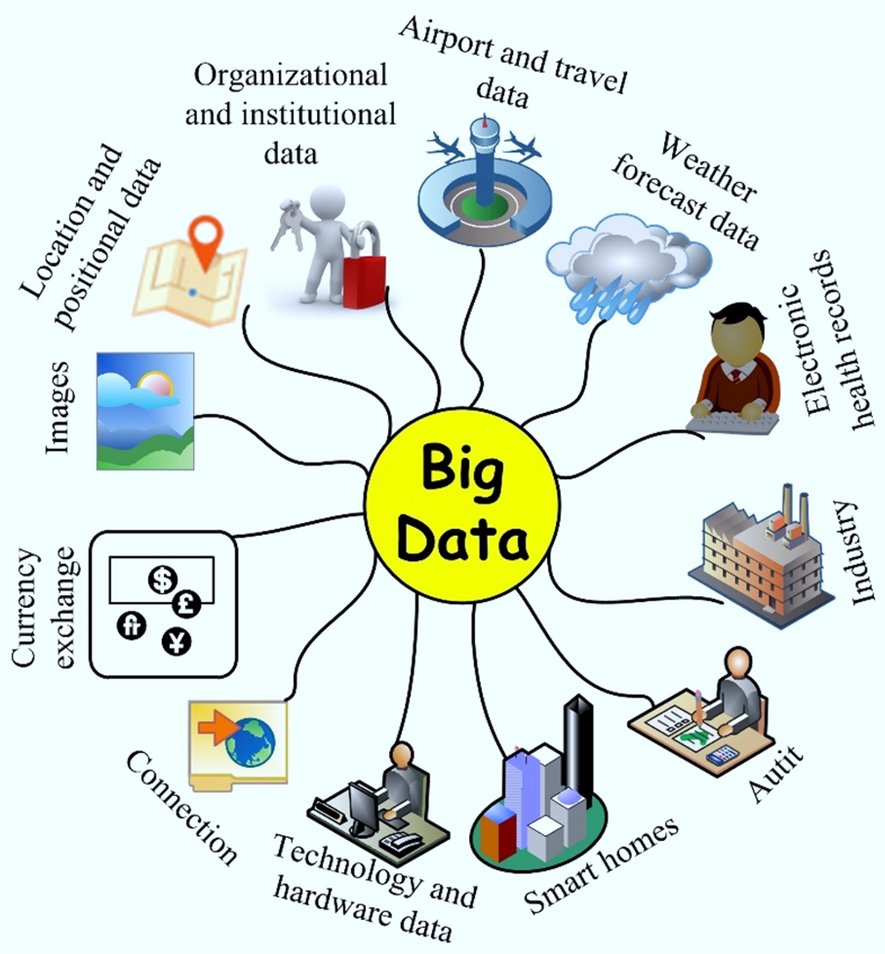
Healthcare institutions today operate in a highly demanding environment where efficiency, accuracy, and patient satisfaction are essential for success. Hospitals, clinics, laboratories, and pharmacies must manage large volumes of patient data, financial transactions, and operational processes while ensuring that healthcare services remain timely and reliable. Relying on manual systems or outdated technology can slow down operations and create unnecessary administrative challenges.
Modern healthcare software provides a powerful solution for healthcare providers seeking to streamline their operations and improve service delivery. These systems integrate patient management, billing, pharmacy operations, laboratory processes, and reporting tools into one unified platform. By automating routine tasks and improving data management, healthcare providers can focus more on delivering quality medical care rather than dealing with administrative complexities.
For healthcare institutions in Kenya, adopting digital healthcare management platforms has become an important step toward modernizing hospital operations and improving the overall patient experience.
10.1 Improved Operational Efficiency
Healthcare facilities must manage multiple processes simultaneously, including patient registration, consultations, laboratory testing, medication dispensing, and billing. Without efficient systems, these activities can become disorganized and time-consuming.
Modern healthcare software automates many routine administrative tasks, allowing healthcare staff to work more efficiently. Digital workflows ensure that patient information moves seamlessly between departments, reducing delays and improving service delivery.
| Operational Process | Digital System Advantage |
|---|---|
| Patient registration | Faster and more organized patient intake |
| Medical record management | Instant access to patient information |
| Laboratory coordination | Quick transmission of test requests and results |
| Pharmacy management | Accurate medication tracking |
| Administrative reporting | Automated report generation |
By improving operational efficiency, healthcare providers can serve more patients while maintaining high standards of care.
10.2 Better Financial Transparency
Financial management is a critical component of healthcare administration. Hospitals and clinics must track multiple revenue streams, including consultation fees, laboratory services, medication sales, and insurance payments.
Healthcare management systems provide automated billing and accounting tools that allow healthcare institutions to monitor financial activities in real time. Every transaction is recorded within the system, making it easier to track revenue, manage expenses, and generate financial reports.
| Financial Feature | Benefit |
|---|---|
| Automated billing | Accurate generation of patient invoices |
| Payment tracking | Real-time monitoring of financial transactions |
| Revenue reporting | Clear insights into hospital income |
| Expense tracking | Better control of operational costs |
This level of financial transparency helps healthcare administrators maintain better control over hospital finances while improving accountability.
10.3 Scalability for Growing Healthcare Facilities
Healthcare institutions often expand their services as patient demand increases. A small clinic may grow into a multi-specialty hospital, or a healthcare provider may open multiple branches across different locations.
Modern healthcare software is designed to scale alongside the growth of healthcare facilities. These systems allow institutions to add new modules, expand patient databases, and integrate additional services without needing to replace the entire system.
| Growth Feature | Benefit |
|---|---|
| Expandable system modules | Add new healthcare services easily |
| Scalable infrastructure | Supports increasing patient volumes |
| Multi-branch capability | Manage multiple healthcare facilities |
| Flexible system configuration | Adapts to changing healthcare needs |
This flexibility ensures that healthcare institutions can continue using the same system as their operations expand.
10.4 Integration with Other Healthcare Technologies
Modern healthcare systems do not operate in isolation. Hospitals often use various technologies such as laboratory diagnostic equipment, pharmacy systems, insurance platforms, and telemedicine services.
Healthcare management software allows these technologies to work together through system integration. When different systems are connected, information can move automatically between them without manual intervention.
| Integrated Technology | Purpose |
|---|---|
| Laboratory diagnostic systems | Automatic transfer of test results |
| Pharmacy systems | Digital prescription management |
| Insurance platforms | Faster claim processing |
| Telemedicine tools | Remote patient consultations |
Integration improves workflow efficiency and ensures that healthcare providers have access to complete patient information across all departments.
10.5 Data-Driven Healthcare Decision Making
Healthcare institutions generate large amounts of data every day. This includes patient visit records, treatment outcomes, financial transactions, pharmacy usage, and operational performance metrics.
Healthcare management systems analyze this data and convert it into useful insights that help hospital administrators make informed decisions.
| Data Insight | Healthcare Benefit |
|---|---|
| Patient trend analysis | Helps plan healthcare services |
| Financial performance reports | Improves financial planning |
| Drug usage analytics | Supports pharmacy inventory management |
| Operational performance tracking | Enhances hospital efficiency |
With access to accurate data and analytics, healthcare providers can identify opportunities for improvement, optimize resource allocation, and develop strategies that enhance patient care.
Modern healthcare software therefore plays a crucial role in helping healthcare institutions operate more efficiently, manage resources effectively, and deliver high-quality medical services to patients.
11. The Future of Healthcare Technology in Kenya

The healthcare sector in Kenya is entering a new era driven by rapid technological advancement. As healthcare institutions strive to improve patient care, reduce operational inefficiencies, and expand access to medical services, digital healthcare technologies are becoming essential tools in the transformation of the healthcare system. From cloud-based hospital management systems to telemedicine and artificial intelligence, technology is reshaping how healthcare services are delivered across the country.
In the past, healthcare services in many parts of Kenya were limited by geographical barriers, infrastructure challenges, and resource constraints. However, modern healthcare technologies are helping bridge these gaps by enabling healthcare providers to reach patients more efficiently and manage medical data more effectively. Digital systems are now supporting hospitals, clinics, laboratories, and pharmacies in delivering more organized and responsive healthcare services.
As Kenya continues to invest in healthcare innovation, the integration of advanced technologies will play a key role in strengthening the country’s healthcare infrastructure. These advancements will not only improve the efficiency of healthcare institutions but also enhance the quality and accessibility of medical services for patients across the nation.
11.1 Expansion of Digital Health Infrastructure
Digital health infrastructure is the foundation of modern healthcare technology. It includes the systems, networks, and platforms that allow healthcare institutions to store, manage, and share medical information electronically.
Kenya has been gradually expanding its digital health infrastructure through investments in healthcare information systems, electronic health records, and digital hospital management platforms. These systems enable healthcare providers to manage patient data efficiently while improving communication between different healthcare facilities.
| Digital Infrastructure Component | Purpose |
|---|---|
| Electronic Health Records | Stores patient medical history digitally |
| Hospital Management Systems | Manages hospital operations |
| Health Information Exchanges | Enables data sharing between institutions |
| Cloud Healthcare Platforms | Supports remote access to healthcare data |
With stronger digital infrastructure, healthcare providers can deliver more coordinated and efficient healthcare services.
11.2 Growth of Telemedicine Services
Telemedicine is one of the fastest-growing healthcare technologies in Kenya. It allows patients to consult doctors remotely using video calls, mobile applications, or online platforms. This technology is especially beneficial for patients living in remote or underserved areas where access to healthcare facilities may be limited.
Telemedicine platforms enable doctors to diagnose certain conditions, provide medical advice, and monitor patient progress without requiring physical visits to healthcare facilities.
| Telemedicine Benefit | Impact on Healthcare |
|---|---|
| Remote consultations | Expands access to medical care |
| Reduced travel for patients | Saves time and transportation costs |
| Faster medical advice | Patients receive guidance quickly |
| Continuous patient monitoring | Improves management of chronic diseases |
As internet connectivity continues to improve across Kenya, telemedicine services are expected to play an increasingly important role in healthcare delivery.
11.3 AI and Data Analytics in Healthcare
Artificial Intelligence (AI) and data analytics are beginning to transform healthcare decision-making processes. By analyzing large volumes of healthcare data, AI systems can help healthcare providers identify patterns, predict disease trends, and support clinical decision-making.
AI-powered tools can assist doctors in diagnosing diseases, analyzing medical images, and recommending treatment options based on patient data. Data analytics also helps hospital administrators evaluate operational performance and identify opportunities for improving healthcare services.
| AI Application | Healthcare Impact |
|---|---|
| Disease prediction models | Early detection of health risks |
| Medical imaging analysis | Faster and more accurate diagnosis |
| Treatment recommendation systems | Supports clinical decision-making |
| Hospital performance analytics | Improves operational efficiency |
While AI adoption in Kenya is still in its early stages, its potential to improve healthcare outcomes is significant.
11.4 Mobile Health Applications
Mobile health applications, often referred to as mHealth, are becoming increasingly popular in Kenya due to the widespread use of smartphones. These applications allow patients to access healthcare services directly from their mobile devices.
Mobile health apps can help patients schedule appointments, access medical information, receive medication reminders, and communicate with healthcare providers. Some applications also allow patients to track health indicators such as blood pressure, glucose levels, or physical activity.
| Mobile Health Feature | Benefit |
|---|---|
| Appointment scheduling | Convenient healthcare access |
| Medication reminders | Improves treatment adherence |
| Health monitoring tools | Helps patients track health conditions |
| Patient education resources | Increases health awareness |
As mobile technology continues to expand, mobile health applications will play an important role in improving healthcare accessibility and patient engagement.
12. Common Questions About Healthcare Management Systems
Healthcare providers considering digital healthcare solutions often have important questions about how healthcare management systems work, their benefits, and how they can be implemented in medical institutions. Understanding these common concerns helps hospitals, clinics, and healthcare administrators make informed decisions when adopting modern healthcare technology.
Below are some frequently asked questions about healthcare management systems and how they support healthcare institutions in improving efficiency, patient care, and administrative operations.
12.1 What is a healthcare management system?
A healthcare management system is a digital software platform designed to help hospitals, clinics, laboratories, and other healthcare facilities manage their daily operations efficiently. These systems integrate multiple hospital functions such as patient registration, medical records management, appointment scheduling, billing, pharmacy operations, laboratory management, and reporting.
Instead of relying on paper files or disconnected systems, healthcare providers can store and manage all their operational data within a centralized digital platform. This allows healthcare professionals to access patient information quickly, improve coordination between departments, and streamline administrative processes.
Healthcare management systems therefore help healthcare institutions improve operational efficiency while delivering better patient care.
12.2 Can small clinics use healthcare management software?
Yes, small clinics can greatly benefit from healthcare management software. In fact, digital healthcare systems are especially valuable for smaller healthcare facilities because they help reduce administrative workload and improve organization.
For small clinics, healthcare management systems can assist with:
-
Patient registration and record management
-
Appointment scheduling
-
Billing and payment processing
-
Prescription and pharmacy management
-
Patient communication and follow-ups
Modern healthcare software is designed to be scalable, meaning it can adapt to the needs of both small clinics and large hospitals. As a clinic grows, the system can expand to support additional services and larger patient databases.
12.3 Are cloud healthcare systems secure?
Cloud healthcare systems are designed with strong security features to protect sensitive patient information. Most modern healthcare platforms use advanced security technologies such as data encryption, secure login authentication, and controlled access systems.
These systems ensure that only authorized healthcare professionals can access patient records and other sensitive medical data. Additionally, cloud systems often include automatic backups and disaster recovery mechanisms to prevent data loss.
Healthcare providers can further enhance system security by implementing best practices such as strong password policies, user access control, and regular system monitoring.
12.4 Can hospitals manage multiple branches with one system?
Yes, many modern healthcare management systems support multi-branch healthcare operations. This means that healthcare institutions operating multiple clinics or hospitals can manage all their facilities from a single centralized system.
With a multi-branch healthcare management system, administrators can:
-
Access patient records across all branches
-
Monitor financial reports for each location
-
Track pharmacy inventory across facilities
-
Manage staff schedules and hospital operations
This centralized approach improves coordination across healthcare facilities and allows healthcare organizations to expand their services without losing operational control.
12.5 How long does it take to implement a healthcare system?
The time required to implement a healthcare management system can vary depending on the size of the healthcare facility and the complexity of the system being installed.
For small clinics, implementation may take a few days to a few weeks, especially if the system is cloud-based and does not require extensive hardware installation. For larger hospitals with multiple departments, the implementation process may take longer because it involves data migration, system customization, and staff training.
Typical steps in healthcare system implementation include:
-
Assessing hospital needs and operational workflows
-
Installing or configuring the healthcare software
-
Migrating existing patient data into the new system
-
Training healthcare staff on how to use the platform
-
Testing the system before full deployment
Once implemented, healthcare management systems can significantly improve hospital efficiency, data management, and patient care delivery.
Transforming Healthcare in Kenya with Smart Digital Systems
The healthcare sector in Kenya is rapidly evolving as hospitals and clinics adopt digital technologies to improve efficiency and patient care. Healthcare management systems are transforming how medical institutions manage patient records, financial operations, pharmacy inventories, and hospital workflows. By replacing manual processes with automated systems, healthcare providers can deliver faster, more reliable, and more organized healthcare services.
As patient expectations continue to grow, healthcare facilities must embrace modern technology that enables better data management, seamless coordination between departments, and informed decision-making. Digital healthcare systems help hospitals reduce administrative burdens, minimize errors, and provide medical professionals with accurate patient information when they need it most.
Healthcare institutions looking to modernize their operations can benefit from adopting reliable digital platforms such as Tiwi POS, which provides integrated tools designed to streamline hospital management, improve patient care, and support the future of healthcare services across Kenya.